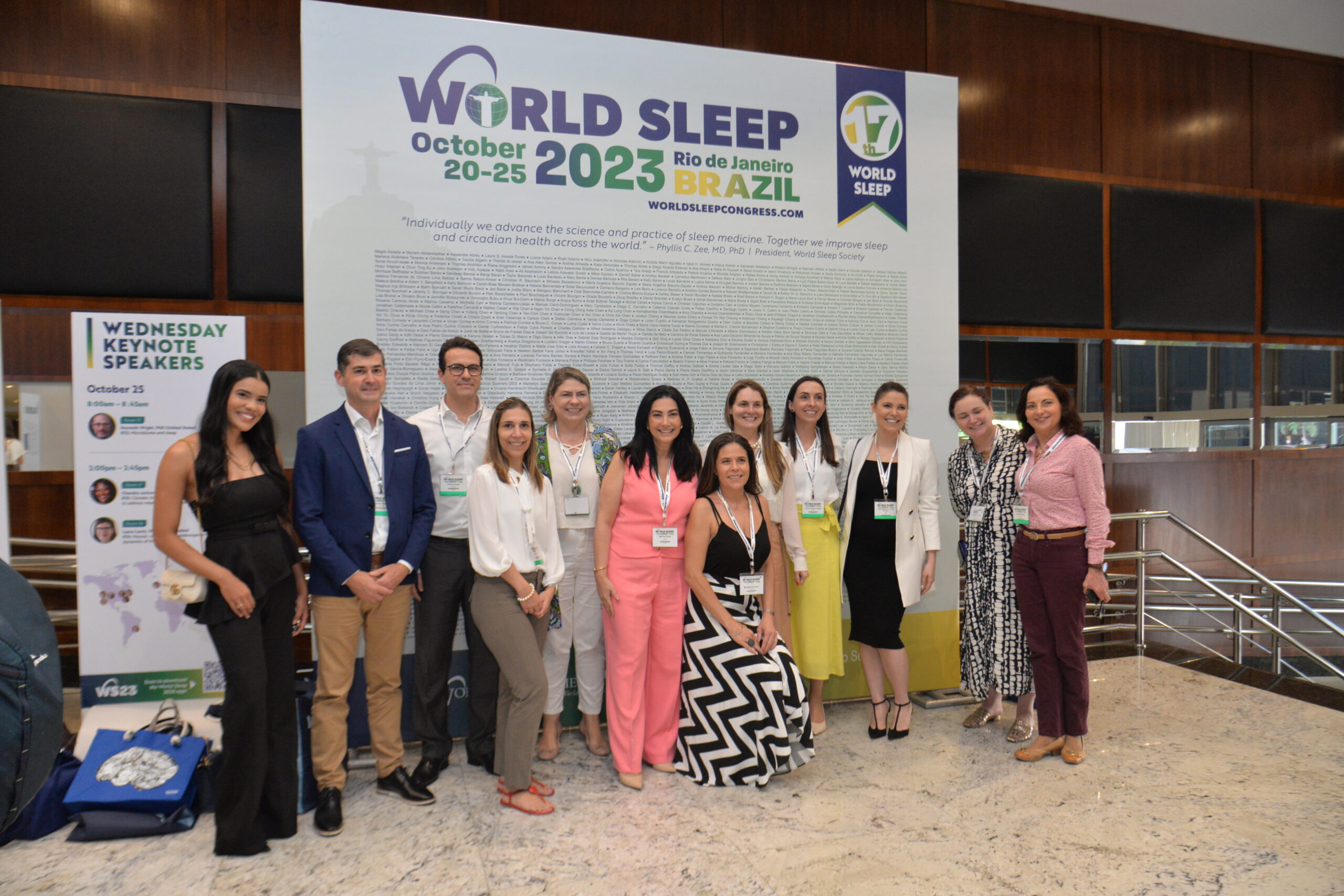
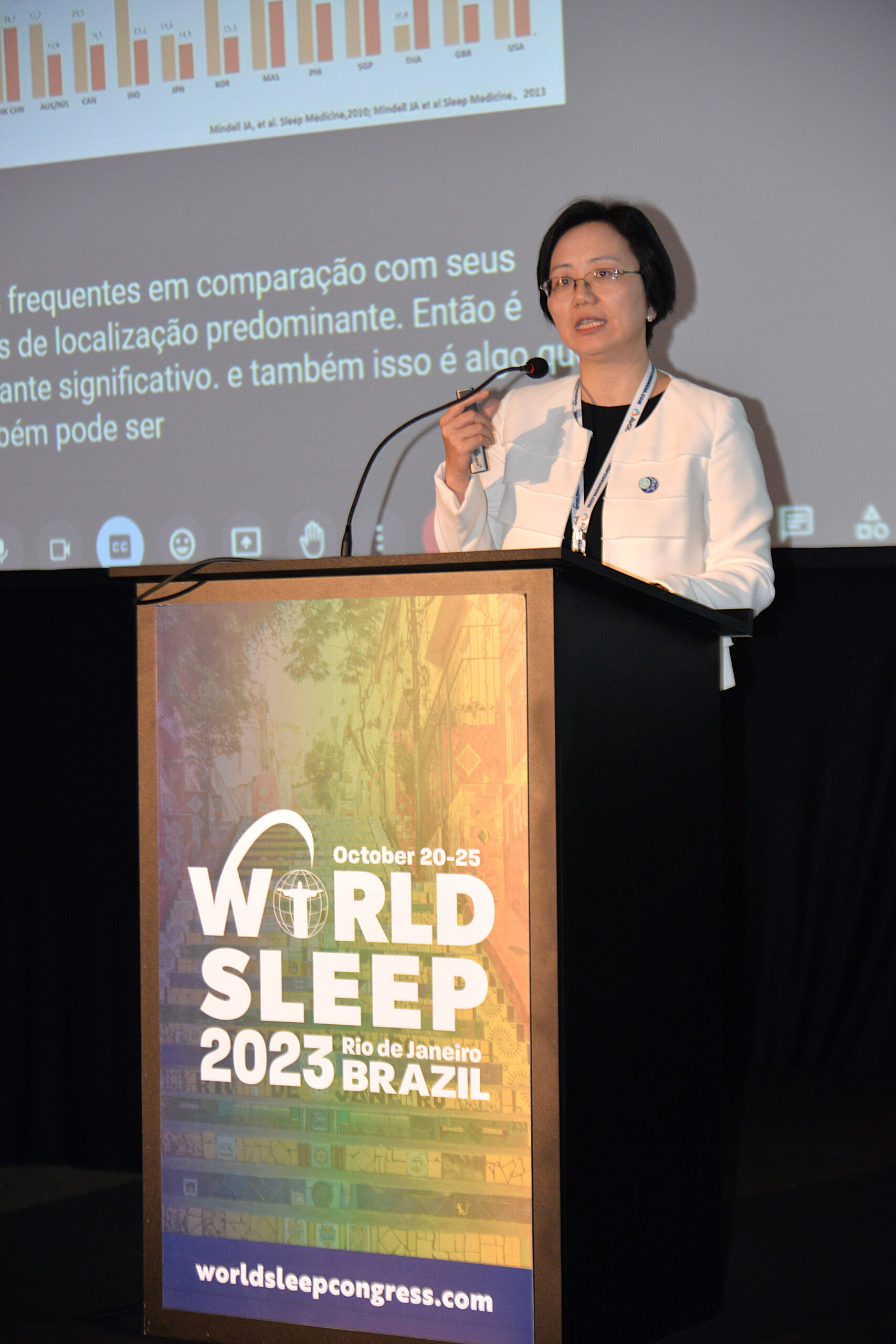
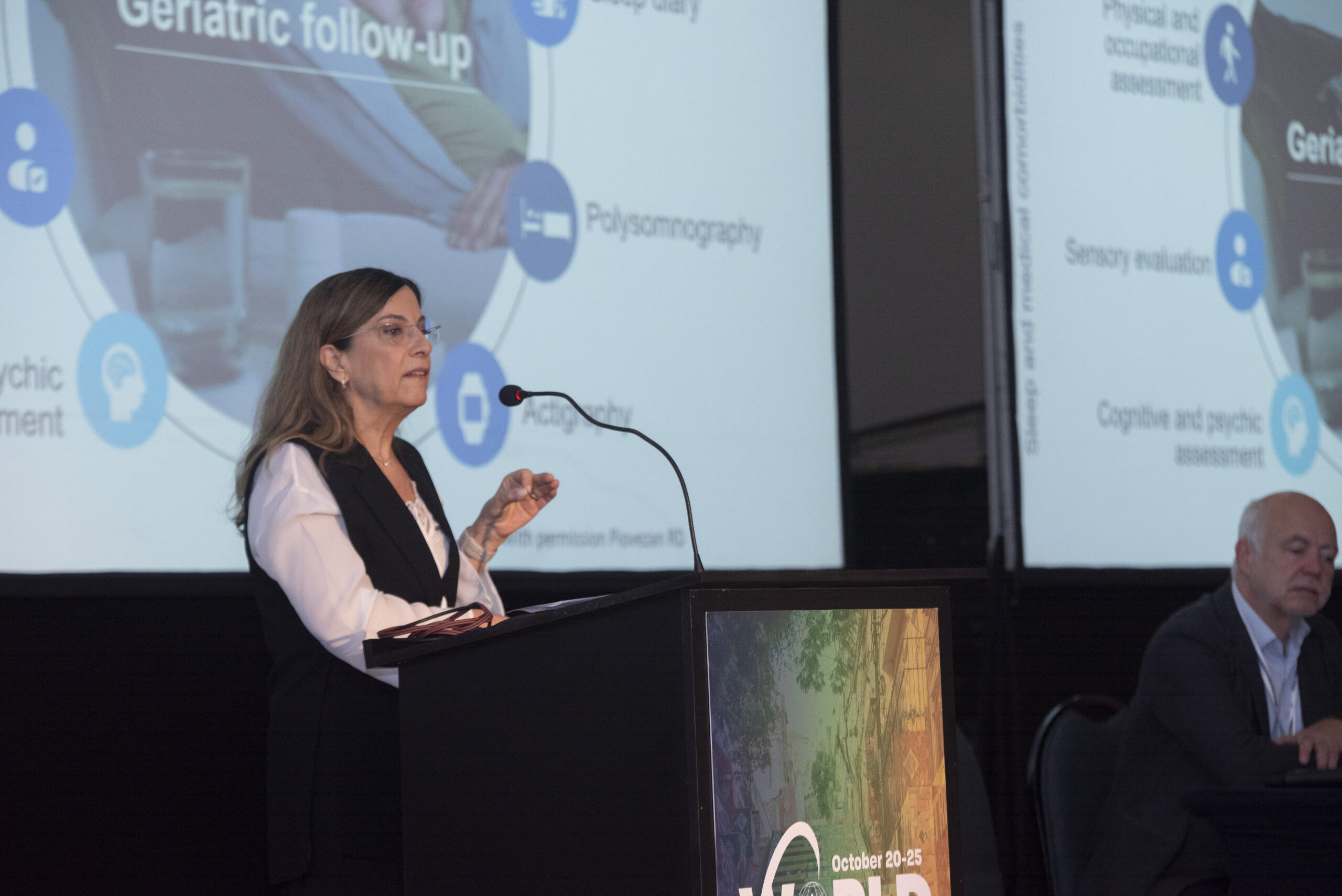
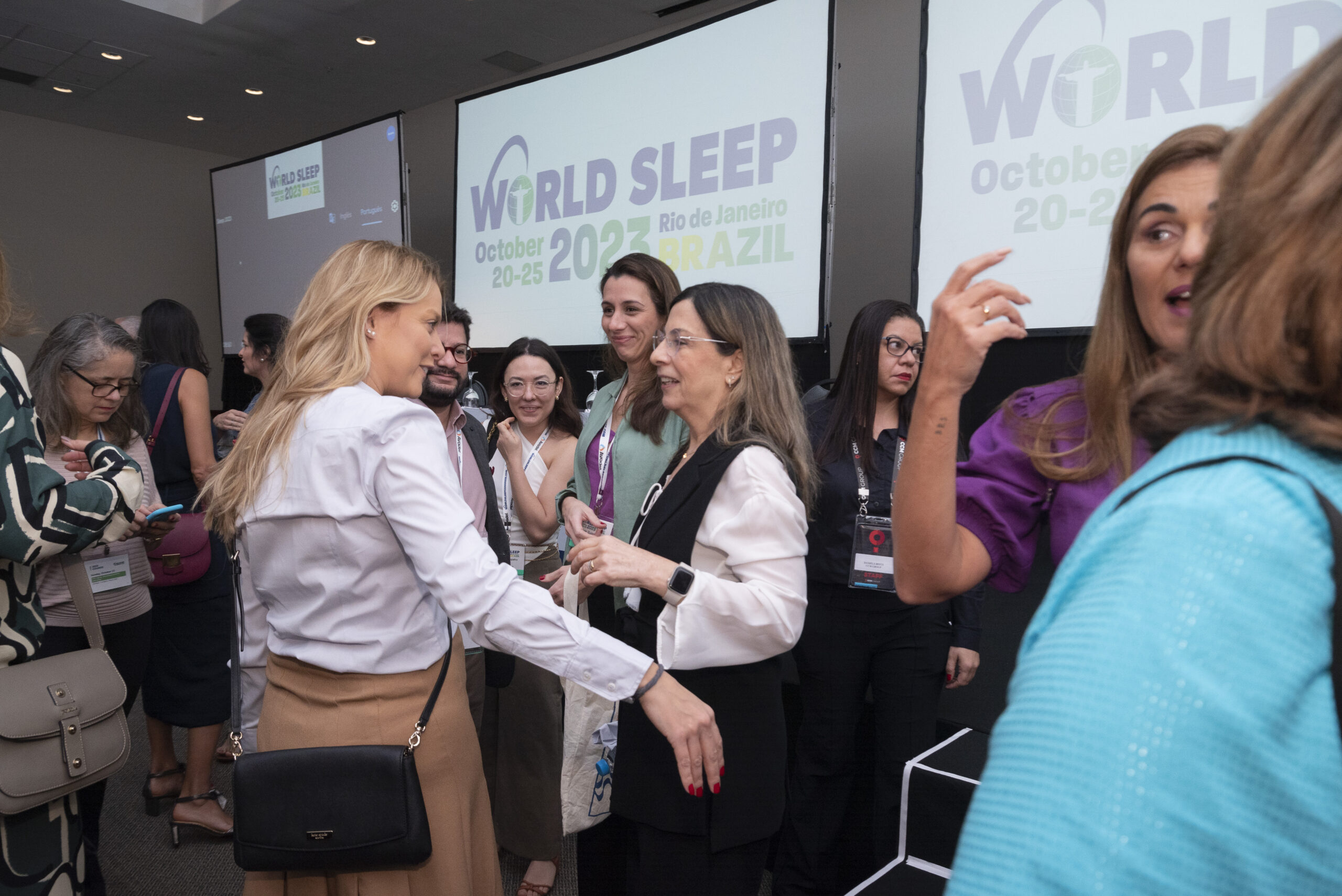
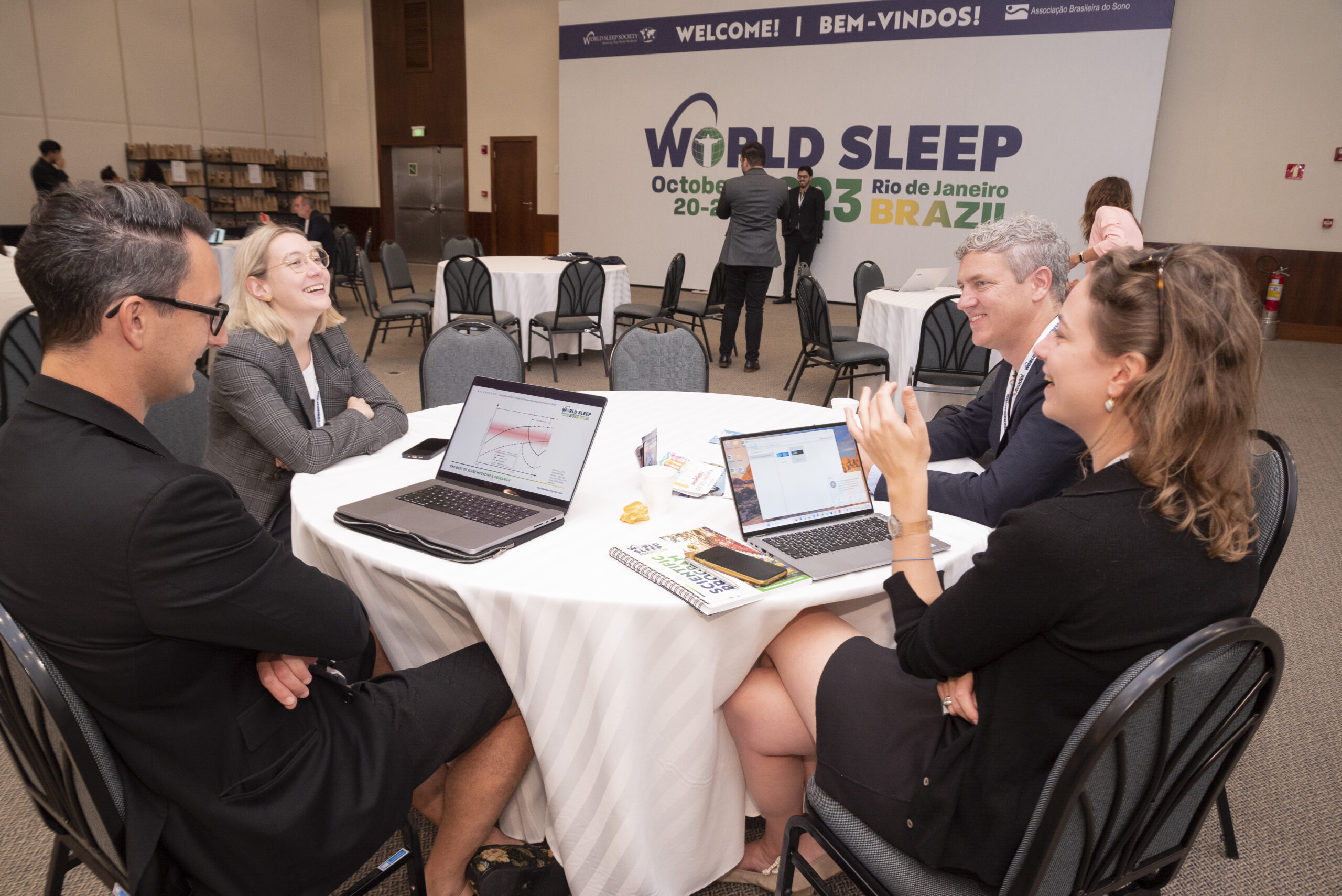
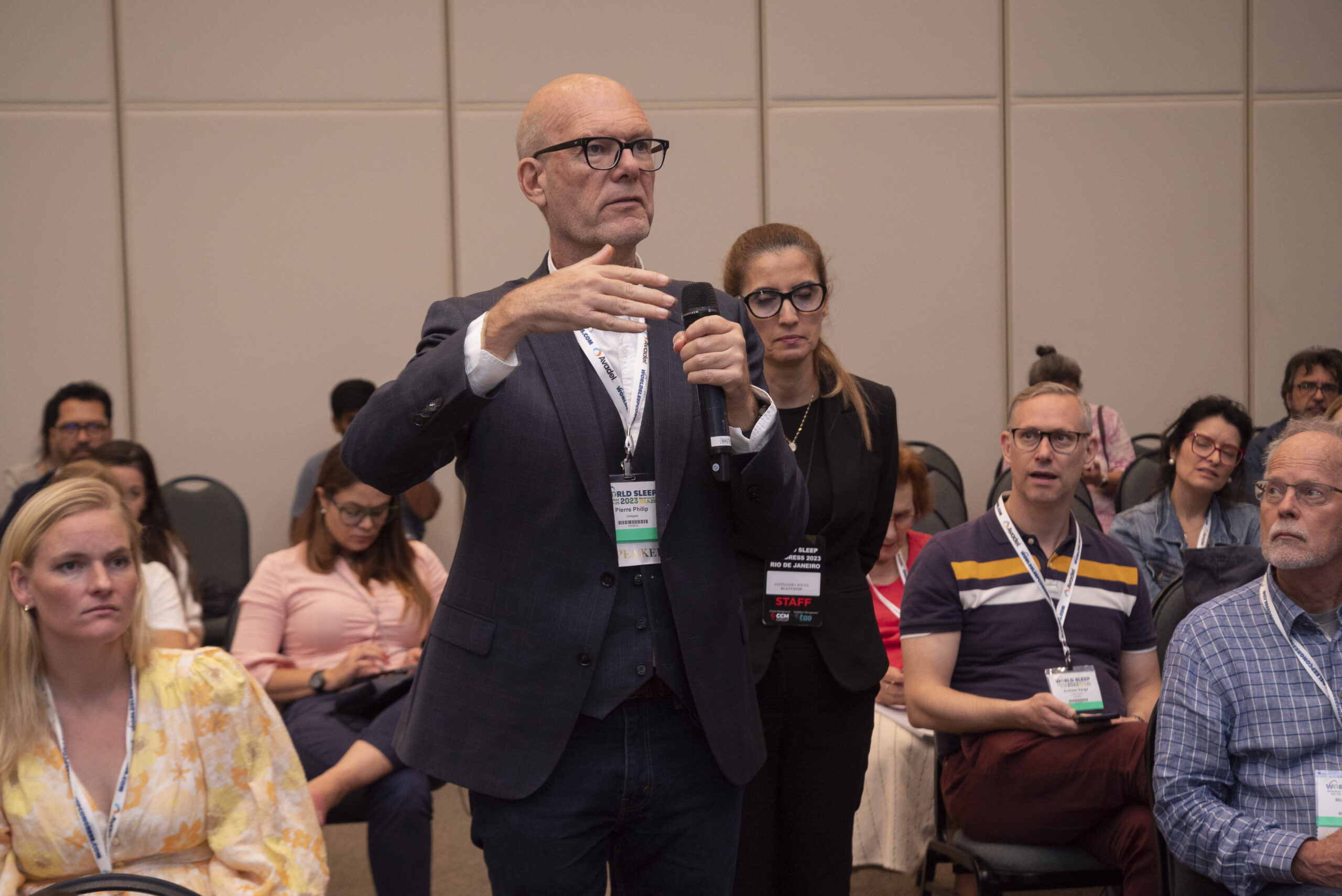
The World Sleep congress features the largest and most comprehensive program in the sleep and circadian science and medicine. Basic and clinical science from 65 countries was presented at World Sleep 2023 in Rio de Janeiro.
The Program Committee for World Sleep 2025 will begin accepting symposium and abstract submissions in 2024. Please check back for updates on this page when science submission opens.
Want a quick, simple reminder when submission opens? Let us know!
Symposium program
Over 90 symposia are typically accepted into the World Sleep scientific program. Selection for a symposium slot in the schedule is a competitive process. In addition to robust study design and novel results, international diversity within the symposium panel is highly valued for entry into the World Sleep scientific program.
Abstract presentations
Over 30 oral abstract sessions and 1000+ posters are expected for World Sleep 2025 across all areas of sleep and circadian science and medicine.
Clinical course program
The course committee is developing a two-day schedule of courses in sleep medicine. Courses will take place on Saturday, September 6, 2025 and Sunday, September 7, 2025.
Topic Overview
- Aging and developmental issues
- Basic research
- Sleep and cognition
- Chronobiology/Circadian disorders
- Dental
- Dreaming
- Excessive daytime sleepiness/hypersomnia
- Insomnia
- Movement disorders
- Narcolepsy
- Neurological disorders affecting sleep
- Parasomnia
- Pediatrics
- Pharmacology
- Psychiatric disorders affecting sleep/wake
- REM behavior disorders
- Restless legs syndrome
- Sleep breathing disorders
- Sleep health
- Technology/technical
Previous World Sleep Scientific Programs
Want to know what to expect at World Sleep 2025? Browse some of our previous scientific programs below. Join this tradition of scientific excellence in sleep!
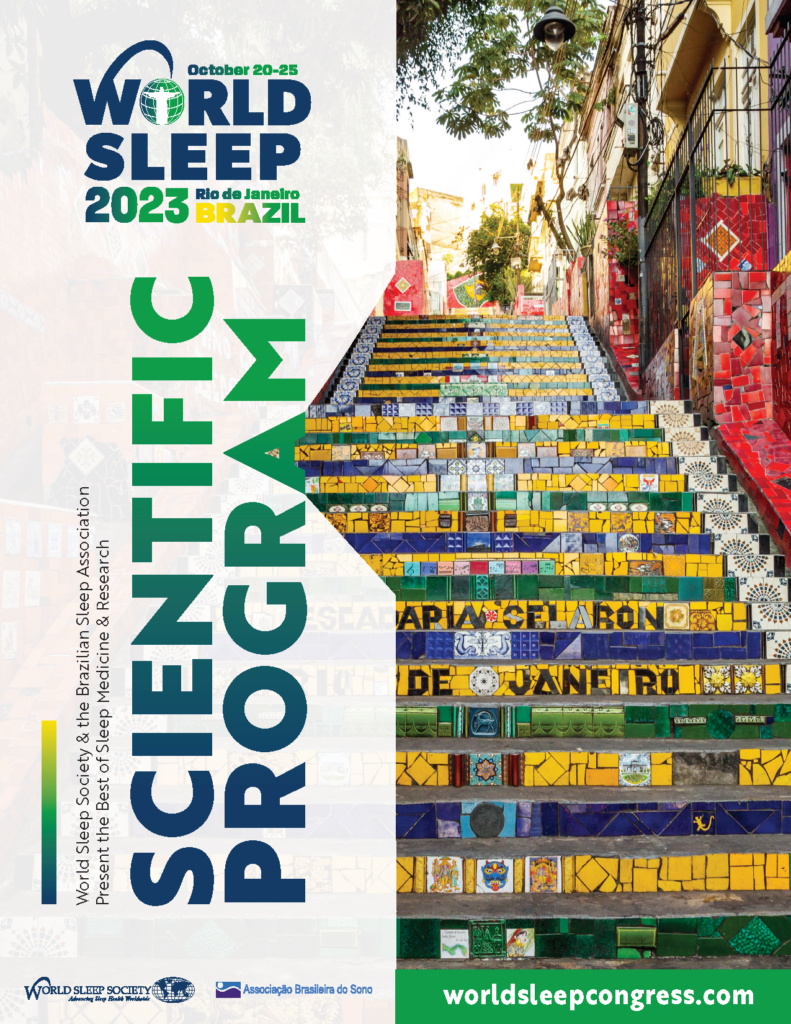
World Sleep 2023 in Rio de Janeiro
Search the online schedule for World Sleep 2023. Click below to view the .pdf program online.
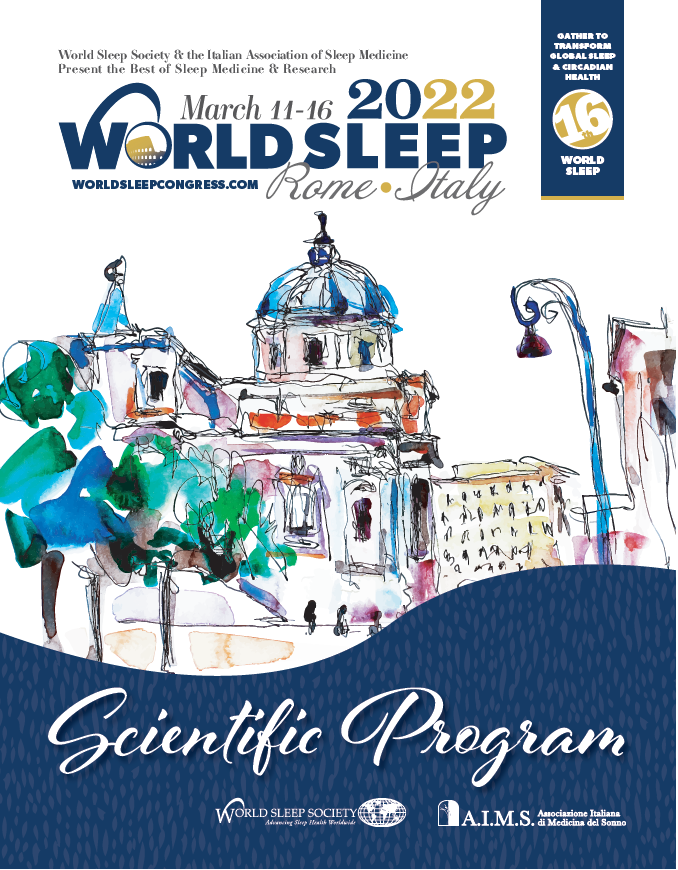
World Sleep 2022 in Rome
Search the online schedule for World Sleep 2022. Click the program cover below to view the .pdf program online.
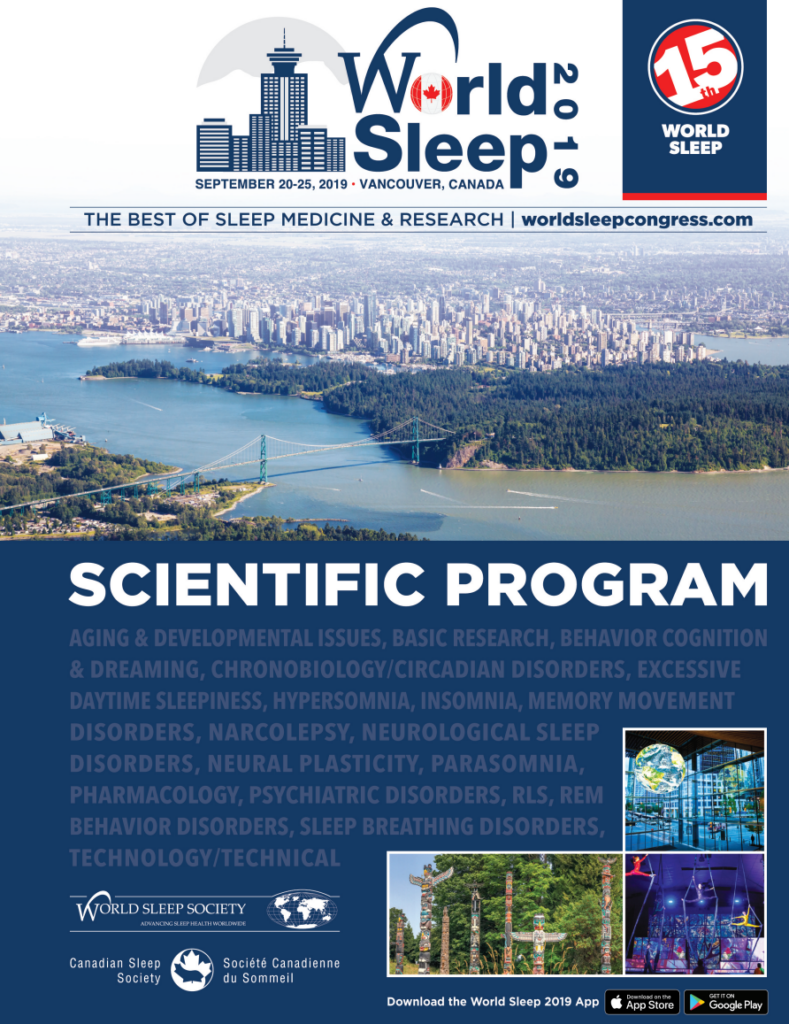
World Sleep 2019 in Vancouver
Search the online schedule for World Sleep 2019. Click below to view the .pdf program online.
Highlights from World Sleep 2023 in Rio de Janeiro
Thank you to the World Sleep community for producing this world-class scientific program! Join us in Singapore for World Sleep 2025 and become part of the forefront of sleep and circadian science.